Gretsch Catalina EVO review | Worth buying?
Gretsch Catalina EVO review: full-size shells, a real hi-hat and Gretsch samples from £1,839. What it does well, where it falls short and who it suits.
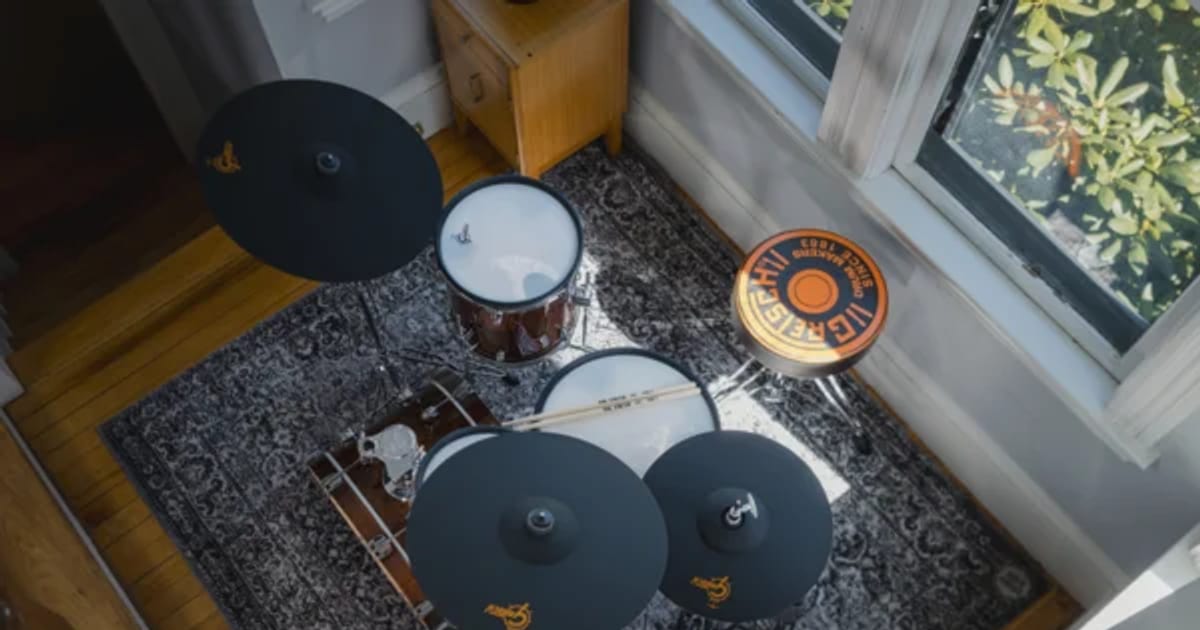
The Gretsch Catalina EVO is the first electronic kit Gretsch has ever made. It launched on 22 October 2026, and it has full-size shells, a real hi-hat and sounds sampled from Gretsch’s own drums.
First, the honest bit. Nobody at Drum Faster has played one yet. This review is built from the published spec, Gretsch’s own material, demo videos and what the outlets and shops who have covered it are saying, and we name them as we go.
We’ll also tell you what nobody knows yet. So is it any good, and should you buy one? Let’s find out.
Who is the Gretsch Catalina EVO for?
It’s for drummers who want an electronic kit that looks, sits and sets up like an acoustic one.
That means a home player who can’t make noise but hates the look of pads on a rack. It also suits an acoustic drummer who wants a quiet second kit with the same layout as the real thing.
It is not a budget kit, and it is not small. If you’re buying your very first kit, or you need something that fits in the corner of a bedroom, look elsewhere. More on that below.
What do you get in the box?
There are two models, each in Black Sparkle or Walnut Glaze:
- J484 (4-piece): 18x14” bass drum, 10x7” rack tom, 12x12” floor tom and a 14x5.5” snare
- F405 (5-piece): 20x14” bass drum, 10x7” and 12x8” rack toms and a 14x14” floor tom, plus the snare
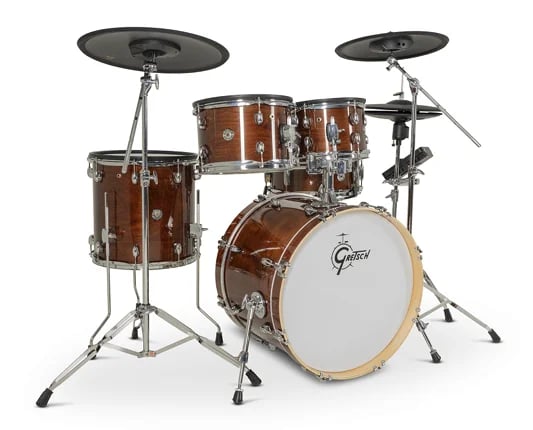
Both come with a 14” hi-hat, a 16” crash and an 18” ride. You also get Gretsch’s Explorer hardware: cymbal stands, a hi-hat stand, a snare stand and a single bass drum pedal.
That is a generous box. Plenty of e-kits leave the pedal or the snare stand out.
The only things missing are a throne and something to listen through. Our guide to headphones for electronic drums will help with the second one.
What are the pads and cymbals like?
Every drum is a full-size shell with a 3-ply mesh head. The cymbals are three-zone pads with 360° triggering, so you can play them from any angle.
The hi-hat is the highlight on paper. It’s a real two-piece hat with a bottom cymbal, mounted on a normal hi-hat stand, not a single pad with a pedal on the floor.
How does it feel? We can’t tell you first-hand, and no independent magazine has published a full hands-on test that we could find.
The closest thing so far comes from Kraft Music, whose writer Jasen K. has had time on a kit. In Kraft’s introduction to the range, he says many modern kits can feel a little sterile to play, but that building a roll from soft to hard on the EVO snare feels and sounds natural.
That’s encouraging. Kraft is a shop that sells the kit, though, so treat it as a first impression and not a verdict.
What can the module do?
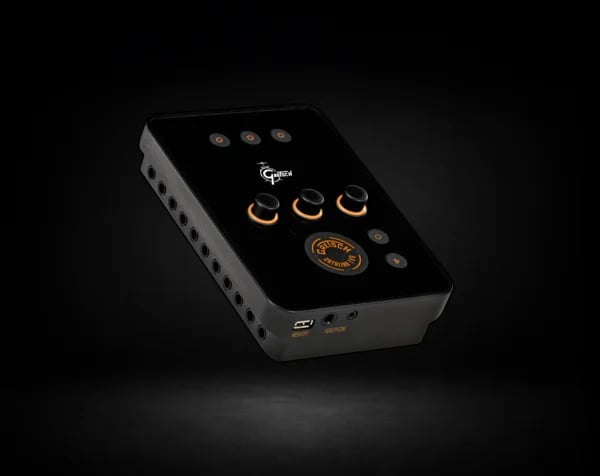
The sounds are the selling point. They are sampled from three Gretsch acoustic kits: the USA Custom, the Brooklyn and the Broadkaster.
According to Drumming News Network, the samples have multiple velocity layers and round-robin variation, with selectable mic layers and extra snare-bottom and subkick mics.
The module holds 50 factory kits and 128 user slots, and you can import your own samples over USB. gearnews adds that every pad gets its own EQ and compressor, with nine multi-effects and reverbs on top.
Connections are strong for the money:
- Bluetooth audio and MIDI
- USB audio and MIDI, with up to eight channels recorded straight into a DAW
- Four direct outputs, alongside the main outs
- Spare trigger inputs, so you can add pads later
That makes it a proper recording tool. If you’d sooner use software sounds, our guide to the best drum VSTs for electronic drums is the place to start.
See it being played
Here is Mike Johnston with the kit on Thomann’s Drum Bash channel. Bear in mind Thomann sells the Catalina EVO, so this is a demo more than an independent test:
What does it do well?
Three things stand out.
It looks like a drum kit. Full-size Catalina shells in real Gretsch finishes. From the audience, nobody will know.
The hi-hat is a real one. A two-piece hat on a proper stand is the thing cheaper kits can’t give you, and it’s the part of e-drumming that most often feels wrong.
The box is complete. Shells, cymbals, stands, pedal and a module with multitrack USB recording. Add a throne and headphones and you’re playing.
Where does it fall short?
There are a few things to mention.
The screen is tiny. The module has a 2.7” monochrome display. Deeper kit editing, trigger adjustments and firmware updates all happen in the Gretsch E-Drum Remote app on your phone. gearnews’ take is that the module itself is enough for playing and switching kits.
You only get one crash. Roland’s far cheaper TD-07KV2 comes with two. There are spare inputs, but a second crash is extra money.
It takes up real space. Full-size shells need the same floor as an acoustic kit. If room is the reason you’re going electronic, this won’t solve it.
It’s unproven. This is Gretsch’s first e-kit. We haven’t found an independent long-term review, so nobody can yet tell you how the triggering, the app or the hardware hold up after a year of playing.
How does it compare to its rivals?
At the bottom of the market, there’s no contest to be had. The Alesis Nitro Max costs around £330 and is where most beginners should start. Our TD-07KV vs Nitro Max head-to-head covers that end.
The awkward rival is the Roland TD-17KVX2. It sits at roughly £1,300, with a snare and hi-hat on real stands and Roland’s proven triggering. It’s the kit we call the sweet spot in our electronic drum kit buying guide.
So why pay more for the Gretsch? The shells, mostly. The Roland is pads on a rack, and the Catalina EVO is a drum kit.
Alesis and Roland make full-size shell kits of their own, so Gretsch isn’t alone there either. What it has that they don’t is its own drums to sample, and that badge.
How much is it, and where can I buy one?
At launch, MusicRadar put prices from £1,839 / $2,199. In Europe, Thomann listed the four-piece at €1,999 to €2,199 and the five-piece at €2,299 to €2,499, with Walnut Glaze costing more than Black Sparkle.
Prices move, and they vary by region, so check before you budget.
The right shop depends on where you are: Guitar Center in the Americas, Gear4music in the UK, or Thomann for Europe and the rest of the world.
Final thoughts
On paper, the Catalina EVO is a very good first attempt. Full-size shells, a real hi-hat, Gretsch’s own samples and a module that records eight channels over USB add up to a lot of kit for the money.
The caveats are the small screen, the single crash, the floor space and the fact that it’s still unproven. If looks and layout matter to you, it deserves a place on the shortlist. If they don’t, a Roland will give you the same practice for less.
We’ll update this page as hands-on reviews arrive. In the meantime, our launch story has the background, and the Gretsch hub has the rest of the brand’s story.
Gretsch Catalina EVO FAQs
- How much does the Gretsch Catalina EVO cost?
- At launch, prices started at £1,839 / $2,199. In Europe, Thomann listed the range at €1,999 to €2,499 depending on the configuration and finish. Prices move and vary by region, so check your local dealer.
- Does the Gretsch Catalina EVO have mesh heads?
- Yes. Every drum on the Catalina EVO is a full-size shell fitted with a 3-ply mesh head, including the bass drum. The cymbals are three-zone pads with 360° triggering, and the hi-hat is a two-piece hat on a real stand.
- Is the Gretsch Catalina EVO good for beginners?
- It will do the job, and the hardware and bass drum pedal are in the box, but at around £1,839 and up it is a lot to spend on a first kit. Most beginners are better served by something like the Alesis Nitro Max at a fraction of the price.
- Can you connect the Gretsch Catalina EVO to a computer?
- Yes. The module has USB audio and MIDI, plus Bluetooth audio and MIDI, and gearnews reports it can record up to eight channels into a DAW. That means you can record the module's own sounds or trigger a drum VST. Our guide to connecting an electronic kit to a computer covers the setup.
- What comes in the box with the Gretsch Catalina EVO?
- The shells, a 14-inch hi-hat, 16-inch crash and 18-inch ride, the module, and Gretsch's Explorer hardware: cymbal stands, a hi-hat stand, a snare stand and a single bass drum pedal. You need to add a throne, plus headphones or a monitor.
Keep reading
Alesis
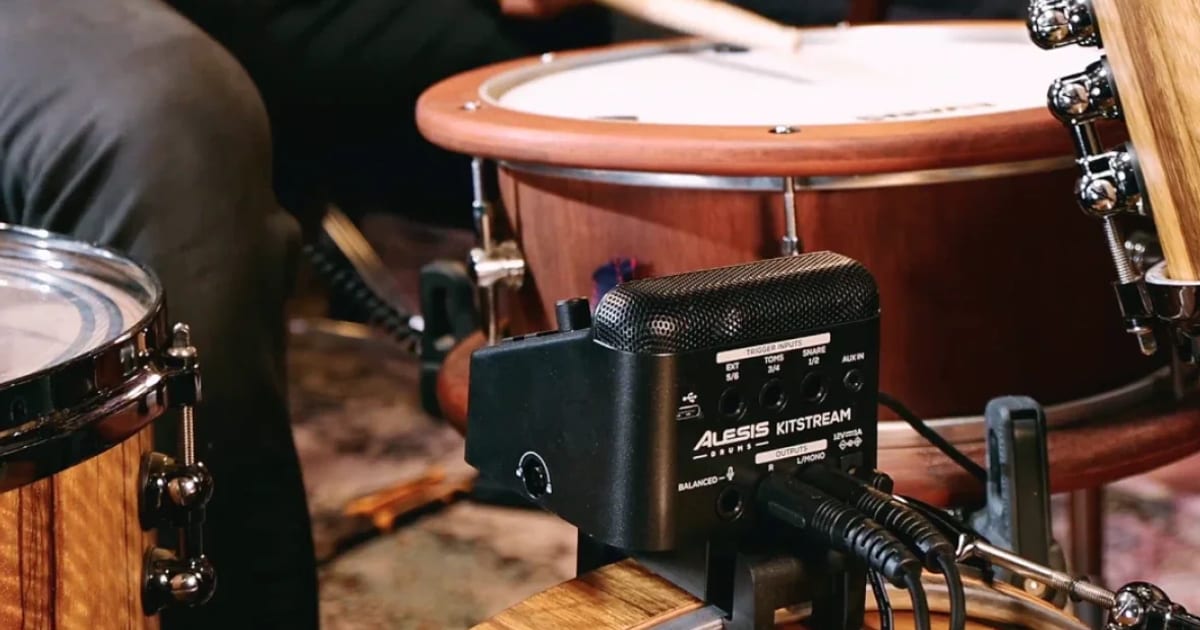
Alesis KitStream review | Is it worth buying?
Alesis KitStream review: what the $399 kick-mounted mic and trigger box does well, where it falls short and how it compares with Yamaha's EAD range.
Head to Head
Yamaha EAD10 vs EAD20 vs EAD50 | Which one?
Yamaha EAD10 vs EAD20 vs EAD50, row by row: sensors, sounds, mic and trigger inputs, USB recording, apps and price, and which one suits how you play.
Electric Drums
Millenium MPS-1500 review | Is it any good?
Millenium MPS-1500 Hybrid-X review: wood shells, a nine-pad module and a low price. What testers and owners say, where it falls short and who should buy.