Snare drum buying guide | Wood vs metal & more
How to choose a snare drum — sizes, shell materials, hoops and wires explained, plus the snares we'd buy at every budget from £150 upwards.
Ask a room full of drummers to name their favourite drum and nobody says “my 12-inch tom”. The snare is the voice of the kit — it’s the backbeat, it’s most of what a listener hears you play, and it’s the drum that makes a kit sound like you.
It’s also the classic first serious upgrade. You can keep a beginner kit for years, but swap in a proper snare and the whole instrument grows up overnight.
So how do you choose one, what do all the materials actually sound like, and which snares are worth your money? Let’s find out.
The anatomy, in one picture
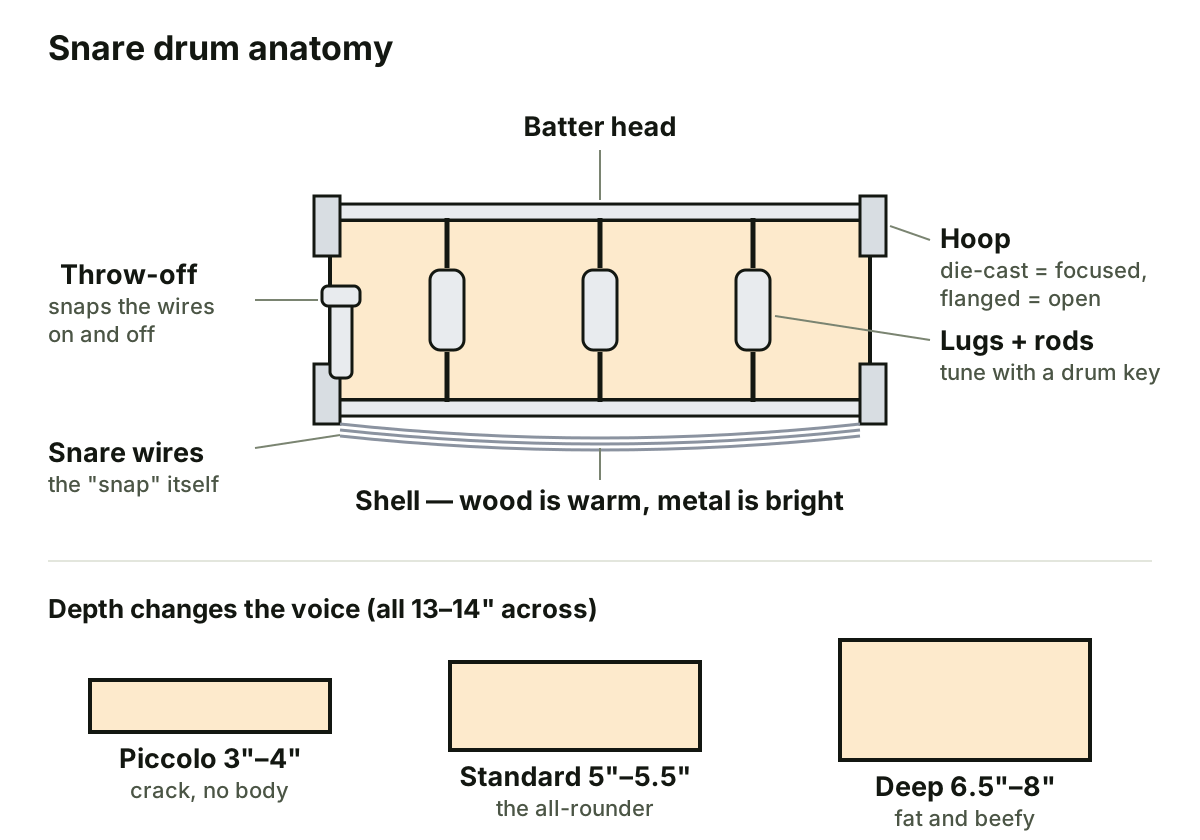
The short version: the shell sets the fundamental voice, the wires underneath give it the snap, the hoops shape how rimshots and cross-sticks speak, and the throw-off is the lever that turns the wires on and off. Everything on a snare is replaceable — wires, heads and hoops are all upgrade paths later.
What do the sizes mean?
Snares are measured diameter x depth. 14” across is the standard, to the point that everything else is a flavour.
- 5”–5.5” deep — the all-rounder. Crisp, versatile, what most drums and most records use.
- 6.5”+ deep — fatter and beefier, with more low-end thump. The rock ballad backbeat.
- Piccolos (3”–4”) and 13” or smaller shells — tight, cracking accents. Brilliant as a second snare, limiting as your only one.
First proper snare? Buy a 14” x 5.5”-ish. You’re choosing a voice, not a party trick — and if the party trick appeals, our floor snare drums guide shows a much cheaper way to get a second voice out of gear you already own.
Wood or metal?
The great divide, and the honest answer is that both are correct — they’re just different instruments.
| Shell | Sound | Famous example |
|---|---|---|
| Maple | Warm, balanced, fat rimshots | Most classic wood snares |
| Birch | Focused, punchy, “pre-EQ’d” | Studio favourites |
| Steel | Bright, loud, cutting | Ludwig Supralite, Tama SLP Big Black Steel |
| Aluminium | Dry, crisp, honest | Ludwig Supraphonic — the most recorded snare ever |
| Brass | Dark-yet-bright, fat and cutting | Ludwig Black Beauty |
If you play loud modern music, metal cuts through in a way wood has to work for. If you want warmth and roundness, wood. If you want the sound of roughly half the records ever made, that’s aluminium — see below.
The snares we’d actually buy
Ludwig Supralite — the £150 giant-killer
A beaded steel shell at around £150–£180 / $200 that sounds far above its price — bright, loud, and shockingly close to snares costing three times as much. If you’re upgrading from a beginner kit’s stock snare, this is the single best value in drums right now.
Tama S.L.P. Big Black Steel — the modern rock machine
Tama’s Sound Lab Project exists to make one-idea snares brilliantly, and the Big Black Steel — a deep, black-coated steel shell around £280 / $330 — is the breakout star. Huge backbeat, controlled ring, metal looks. The whole S.L.P. range is worth a browse; there’s a shell recipe in there for every taste.
Pearl Sensitone — the sensible pro choice
Sensitones come in steel, brass and aluminium, all around £250–£350 / $300–$420, all superbly built, all sounding like drums twice the price. The aluminium one in particular is the “Supraphonic sound on a budget” pick. This is the range for a drummer who wants one great snare and no drama.
Ludwig Supraphonic LM402 — the reference
At some point every drummer should own the drum that’s on more records than any other. Bonham, Purdie, half of Motown, most of the 70s and 80s — the chrome-over-aluminium Supraphonic at around £550–£650 / $680 is simply the snare sound. Buy one new, or hunt a used one — they made millions and the old ones are often better.
And upwards from there
The £600+ tier is where snares get personal: the Black Beauty’s brass growl, Sonor’s Benny Greb signature — one of the most praised signature drums ever made — or Matt Halpern’s Pearl signature for modern punch. Signature snares are a genuine shortcut to a pro-designed voice, and we cover them constantly in our news section.
The right shop depends on where you are: Guitar Center in the Americas, Gear4music in the UK, or Thomann for Europe and the rest of the world.
Should you buy a used snare?
Enthusiastically, yes. Snares are the best-behaved used purchase in drumming after cymbals: no moving parts that matter, worn heads and rusty wires are £40 of consumables, and the used market is stuffed with Supraphonics, Sensitones and one-owner boutique drums. Used snares on Reverb is a dangerous page to know about.
Check the bearing edges and make sure the strainer throws smoothly — the full inspection list is in our used gear guide.
Don’t forget the cheap transformations
Before you decide your current snare is hopeless, £40 of parts might change your mind:
- A fresh coated head — see the drum head buying guide. A dead snare head hides everything good about a drum.
- New wires — stock wires on cheap snares are dreadful, and a quality 20-strand set is £20–£30.
- A proper tuning — the drum tuner will get batter and reso talking to each other.
Do those three first. If you still want a new snare afterwards, now you know — and you’ve learned exactly what you want the new one to do differently.
Final thoughts
One good 14” snare in the 5”–6.5” range, in the material that matches your music, will serve you for decades — and the £150 Supralite proves the entry price is lower than everyone assumes. From there, snare collecting is less a purchase than a lifestyle. We did warn you.
Want to hear what the pros reach for? The Rig Vault documents the exact snares behind your favourite drummers, era by era — or tell the Gear Guru your budget and the sound in your head, and let it argue with you. Nice.
Keep reading
All Our Buying Guides
Best drum tuners (2026) | Tune-Bot, DrumDial & a free option
The best drum tuners compared — Tune-Bot, DrumDial, Tama Tension Watch and tuning apps — plus when our free online drum tuner does the job for nothing.
Head to Head
Axis A21 vs DW 9000 | Direct drive or chain?
The direct-drive benchmark against the chain-drive default: footboard, cam, feel at speed, servicing, availability and price, with a verdict on every row.

Head to Head
Electronic cymbal pads | Is Roland worth it?
Three ways to add a ride or crash pad to your e-kit, side by side: zones, choke, feel, module compatibility and price — and whether Roland is worth it.