Roger Taylor retires | Tinnitus ends his career
Duran Duran's Roger Taylor has retired from drumming because of worsening tinnitus. What happened, what's next for the band, and how to protect your ears.

Roger Taylor has played his last show with Duran Duran. He isn’t moving to another band, either. He’s stopping drumming completely.
The reason is tinnitus. A Rock and Roll Hall of Fame drummer losing his career to his ears is about as clear a warning as our instrument gets.
So what happened, what does it mean for the band, and what should the rest of us do about our own ears? Let’s find out.
What has been announced?
On Thursday 12 November, Duran Duran announced that Taylor is stepping down from the band and retiring from playing. The band said he made the decision “after careful consideration and medical advice”, following a worsening of his recently diagnosed tinnitus.
Taylor’s own statement was short and honest. “This is one of the hardest decisions I’ve ever had to make,” he wrote. His tinnitus “has been getting steadily worse”, and he has “reached the point where I must now listen to my body and my doctors.”
The rest of the band, Simon Le Bon, Nick Rhodes and John Taylor, were warm about it. “Roger is our brother,” they said. They “completely support his decision”, and he “will always be part of this family”.
Taylor is 66. He says he’s “going out on a real high”, and it’s hard to argue. The band have just finished a UK and European arena tour, and this year they put out a one-off single, “Free To Love”, with Nile Rodgers, as NME reported.
Who will replace him?
Nobody has been named, and we’re not going to guess.
What we do know: Duran Duran have no shows on the calendar. According to Ultimate Classic Rock, Taylor’s last gig was on 6 November in Spain, the final night of the European tour. The band say they’ll keep “exploring new and exciting projects”, with no detail beyond that.
So one of the biggest drum stools in pop is empty. When it’s filled, we’ll cover it.
Roger Taylor’s career
Taylor was born in Birmingham in 1960 and joined Duran Duran in 1979. He’s the drummer on the records that made them: “Girls on Film”, “Hungry Like the Wolf”, “Rio” and the rest of that run.
His playing was the engine of the band’s sound. Tight, danceable, disco-straight hi-hats under a rock kit, locked to John Taylor’s bass. It sounds simple until you try to play “Rio” for four minutes without drifting. Then it sounds like discipline.

The pace of fame wore him down. His last show with the original line-up was Live Aid in July 1985, and he stepped away from music for years afterwards.
He came back in 2001 for the reunion of the original five. In the band’s words, he then wrote and played on “six additional chart-topping albums”. In November 2022, he was inducted into the Rock and Roll Hall of Fame with the rest of the band.
Why this matters to every drummer
Tinnitus is a ringing, hissing or buzzing in the ears with no outside source. For most of us it starts as the ringing after a loud gig that’s gone by morning. Repeat that often enough and it can stay.
And drummers sit next to the loudest instrument in the band, every night. We’ve covered the numbers on drummers and hearing loss in depth, but the short version is this: a kit at rock volume can use up a full day’s safe noise dose in minutes.
Phil Collins has talked about his hearing for years, but Taylor is the most visible case this year of a drummer who simply can’t carry on.
How to protect your hearing
This is the part to act on. This advice comes from audiologists who work with musicians. If your ears already ring and the ringing hangs around, book a hearing test with an audiologist before you buy anything.
Musicians’ earplugs, not foam. Foam plugs cut far more top end than low end, so the kit sounds hollow and muffled. Drummers hate that and take them out. Musicians’ earplugs use a filter that cuts the sound more evenly across the frequencies. The common filters are rated 9, 15 and 25dB.
Drummers usually need the strongest filter. The Musicians’ Clinics of Canada, an audiology practice for musicians, says the 25dB filter is generally the one for drummers, while 15dB suits most other instruments. There’s a catch, though. Too much cut and you can’t hear yourself, so you start to overplay. The clinic’s advice is not to wear the 25dB filter unless the band really is very loud.
Custom moulds are the gold standard. An audiologist takes an impression of your ear canal, and a lab builds plugs around the filter you choose. They’re comfortable enough to wear all gig, and a plug in your pocket protects nothing.
In-ear monitors can protect you, if you’re careful. A sealed custom in-ear blocks a good amount of the room on its own. Pinnacle Audiology puts it at about 20 to 26dB. That means you can hear the mix at a far lower level than a wedge on the floor needs. The risk is turning the mix up to make up for it, which throws the benefit away. Set the level once with your engineer, then leave it alone.
Start now. The hair cells in the inner ear don’t grow back, so protection can’t undo damage already done.
Our hearing protection guide compares the options side by side, from cheap filtered plugs to custom in-ears.
Final thoughts
Roger Taylor gave Duran Duran two great eras and a groove generations of pop drummers learned from. He’s leaving on his own terms, with his bandmates behind him. That’s a better ending than most.
But the reason he’s leaving should stay with every one of us. Put the plugs in at the count-in, every time. Then read the rest of our drummer health section, because hearing is the one thing on that list you can’t get back.
Keep reading

News
Tony Richards dies | W.A.S.P.'s first drummer
Tony Richards, the original W.A.S.P. drummer who played on the band's 1984 debut album, has died at 69. Blackie Lawless announced the news.
News
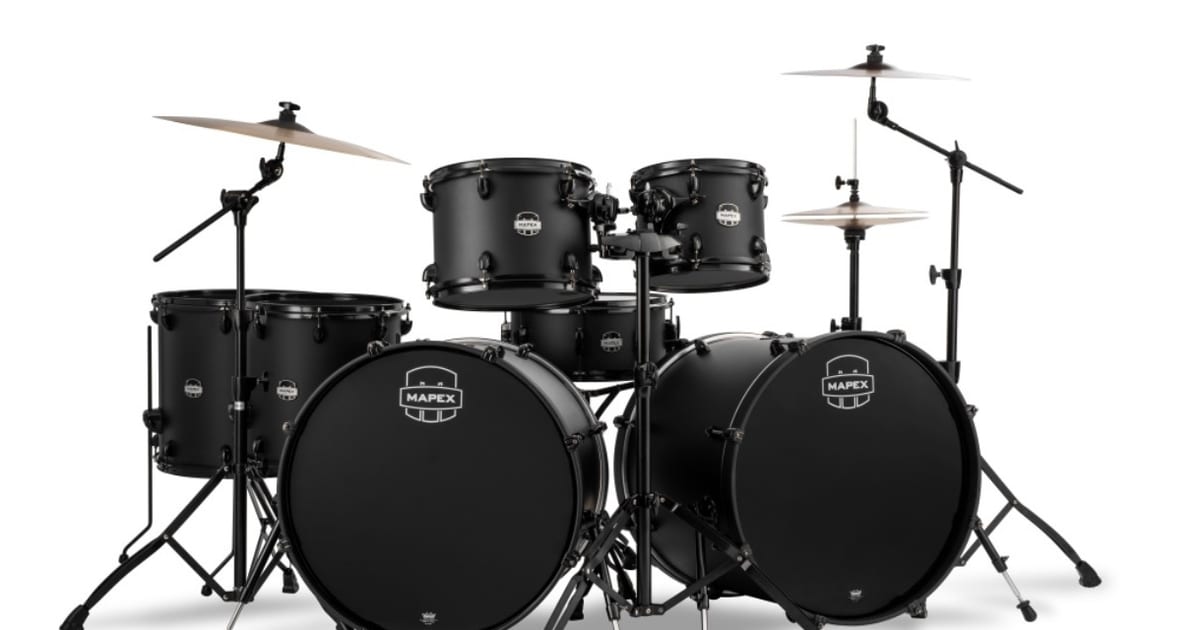
Mapex Mars Black | Blacked-out maple kits
Mapex's new Mars Black kits pair 100% maple shells with black-plated 600 Series hardware. A 4-piece and a double-bass 7-piece, with sizes and specs.
News
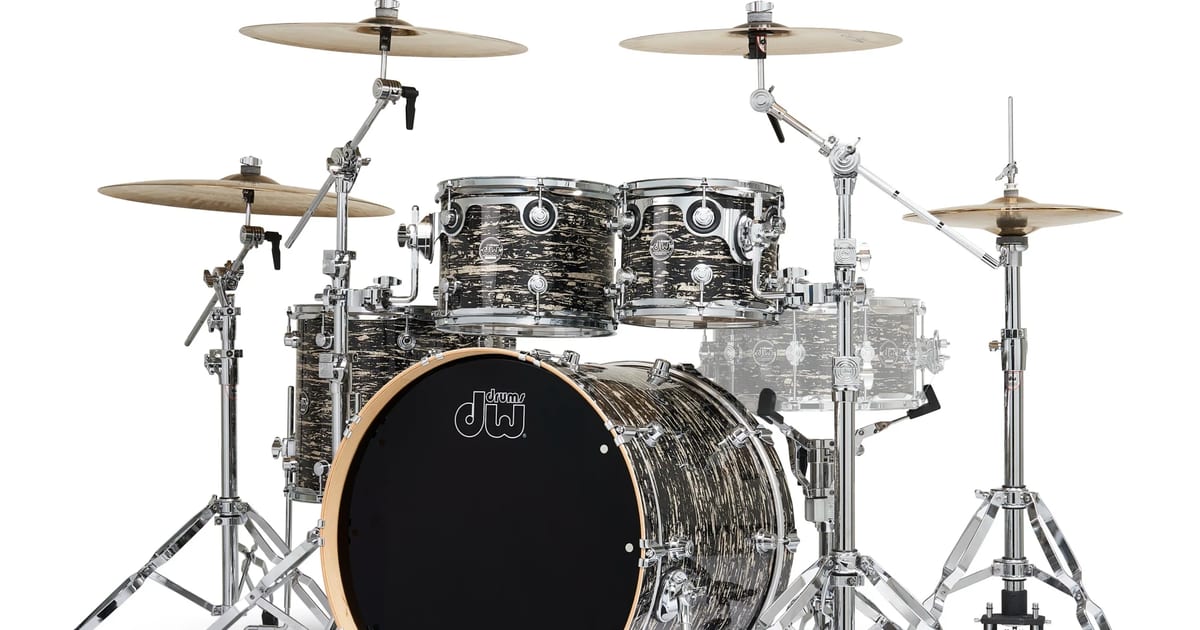
DW Black Oyster Glass | Just 125 kits made
DW's US-made Performance Series in Black Oyster Glass is limited to 125 kits and 125 snares worldwide. Sizes, specs and the $2,999 and $599 list prices.