Anika Nilles | Unlearning technique for Rush
Anika Nilles dropped years of hard-won technique to play Neil Peart's parts. Here's what changed for Tom Sawyer, and what it teaches working drummers.

Most of us spend years building technique. Anika Nilles had to give some of hers up to get through a Rush set.
In a new video interview for Rolling Stone Canada, she explains that she let go of things she had trained on for years so she could fit the music. Louder reported the story today. Tonight she’s back behind the kit at Capital One Arena in Washington, DC.
So what did she change, why did “Tom Sawyer” force the issue, and what can the rest of us take from it? Let’s find out.
What did she actually change?
Anika is known for clean, precise, wrist-driven playing. It’s a big part of why drummers followed her long before Rush did. Her solo records and YouTube videos are full of it.
It turns out that wasn’t what Neil Peart’s parts needed. She told Rolling Stone that her usual wrist motion produced two slightly different sounds. One song needed a single, consistent sound instead. Her fix was to play more from the forearm and less from the wrist.
That sounds like a small tweak. It isn’t. Moving the stroke further up the arm changes your timing, your stamina and the sound you get from the drum. It’s the kind of habit that takes years to build, and she had to override it on the biggest stage of her career.
Why “Tom Sawyer”?
It’s the song everyone knows, and the one they air-drum to.
According to Louder, it isn’t the notes that make “Tom Sawyer” hard. It’s the feel. The fast sixteenth-note passages need weight behind them, so she plays them with more muscle and less of her usual finesse. She told Rolling Stone that the song needs a “specific feel” before it feels right to Alex and Geddy.
That’s the real test. Peart’s parts sit in the band’s bodies after nearly fifty years. Lee and Lifeson don’t just hear when a fill is wrong. They feel it.
Getting it right wasn’t instant, either. Anika has said she had real doubts early in rehearsals, and that she had to work out quickly what the pair needed from her. On opening night in Los Angeles in June, she was telling herself not to mess up the famous fill. She nailed it.
A year in the rehearsal room
Rush gave her time, and she needed all of it. Louder says she rehearsed with Lifeson and Lee for a full year before the Fifty Something tour opened on 7 June. Lifeson has put it at closer to fourteen months.
Either way, that’s a long time for a player of her level to spend unpicking her own habits. It also shows how seriously the band took the job of getting Peart’s music right. They chose a drummer who was willing to change, not one who would turn the songs into her own showcase.
What can working drummers take from this?
Most of us will never sub for Neil Peart. But plenty of us play covers, dep in bands, or join a group that already has a sound. The lesson travels well.
The song outranks your chops. Your best technique is only useful if it’s the right sound for the track. If the part needs weight, give it weight, even if a lighter stroke feels more “correct”.
Listen to the people who know the song. Anika tuned her playing to how it felt for Lee and Lifeson. In your band, that might be the bassist who has played the song for ten years.
Unlearning is a skill. Changing a long-held habit is slow and humbling. It’s the same lesson Larry Mullen Jr. talked about when he rebuilt his playing from basics.
Mind your body. Shifting work from wrist to forearm changes the load on your arms. If you try it, build up slowly, and read our guide to avoiding drummer’s wrist first.
Watch the interview
Here’s the full Rolling Stone Canada conversation:
Where’s the tour heading?
Tonight is the second of two nights at Capital One Arena in Washington, DC. The North American run carries on through the autumn, including the rescheduled San Jose show on 6 December, which we covered here.
After that, the tour moves to Europe in the new year and wraps up in Helsinki next April.
Final thoughts
It’s easy to admire a drummer for what they add. It’s rarer to admire one for what they hold back. Anika earned her reputation on technique, then put some of it aside because the songs asked her to. That’s the most musical thing a drummer can do.
For more on how she got here, read our Anika Nilles feature, or see why she rated “Xanadu” the toughest song to learn in her Modern Drummer cover story.
Keep reading

News
Bonham Drumheads is now Kitson Drumheads
The independent UK drumhead maker has finished the rebrand it began in September. The name is new, but the team, heads and pricing are said to be unchanged.
News
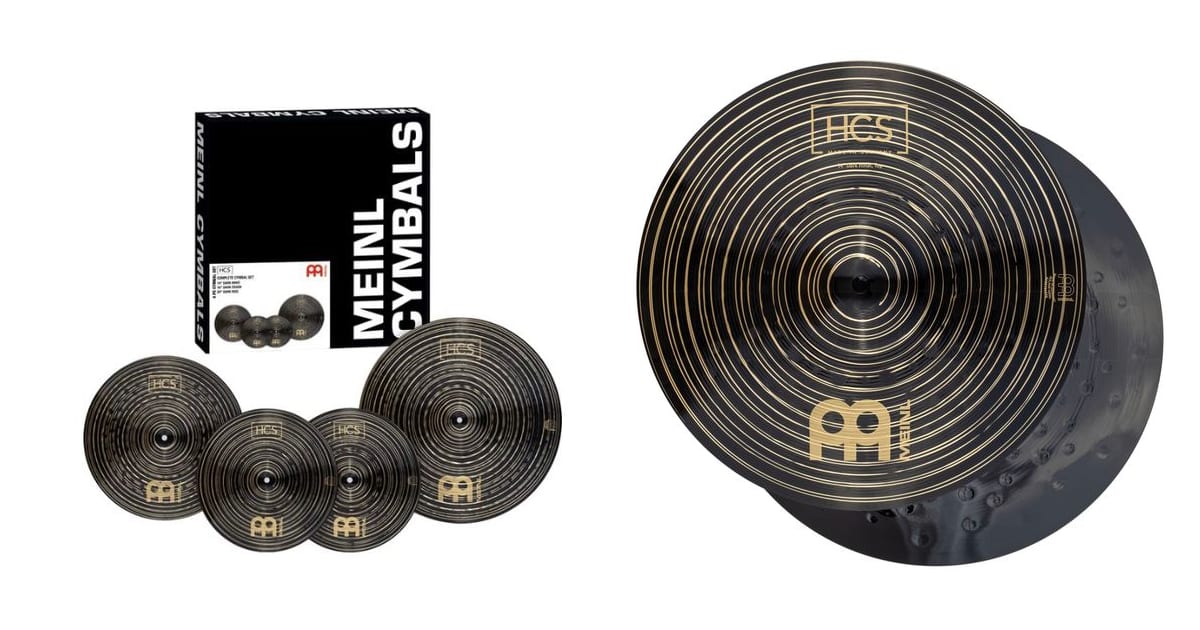
Meinl HCS Dark | A dark-finish set for $400
Meinl's entry-level HCS cymbals now come in a dark finish. The 14/16/20 Complete Set is about $400 / €399, aimed at students and rock and pop players.
News
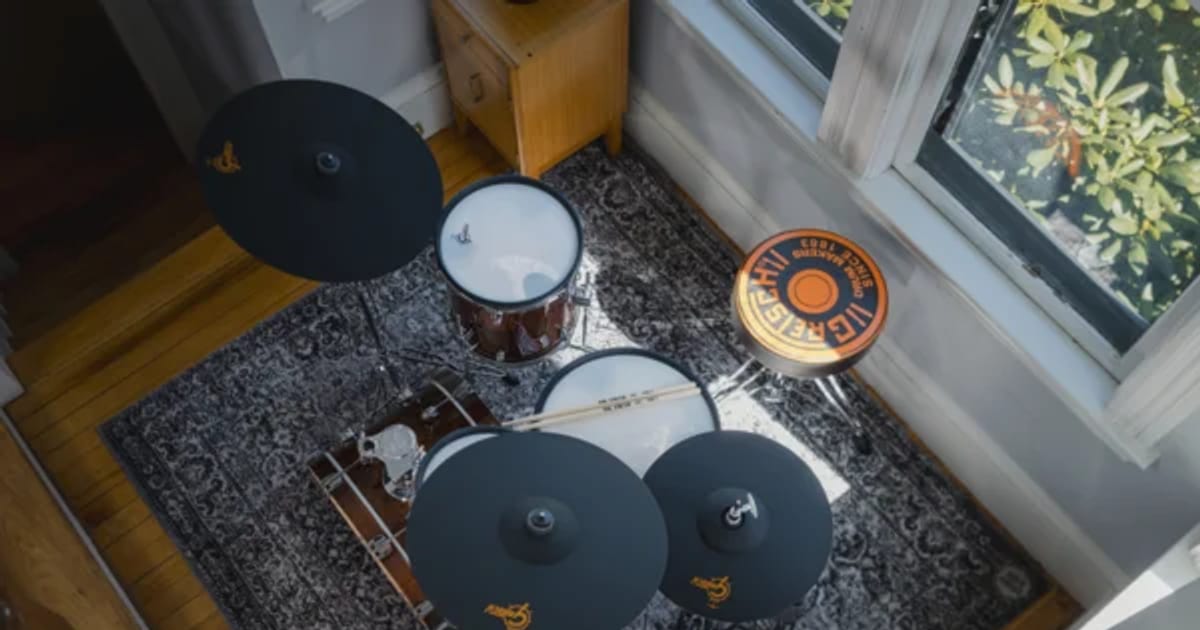
Gretsch Catalina EVO | Gretsch's first e-kit
After 143 years of acoustic drums, Gretsch has launched the Catalina EVO e-kit, with full-size shells and Gretsch samples, from £1,839 / $2,199.