Larry Mullen Jr. | Starting again from basics
After high-risk neck surgery, U2's drummer had to rebuild his technique from scratch. What his comeback teaches every drummer who tours on a worn body.

Larry Mullen Jr. has been U2’s drummer since 1976. He started the band, in fact, with a note on a school noticeboard in Dublin.
Fifty years on, he has had to learn to play the drums again.
U2 are in rehearsals for a new stadium tour, and Mullen is behind the kit. But the drummer coming back is not quite the one who left. So what happened, and what can the rest of us take from it? Let’s find out.
What happened to Larry Mullen Jr.?
Mullen, now 64, was born with a fusion in a facet joint in his neck. It is the sort of thing plenty of people live with without ever knowing. Plenty of people don’t play stadiums for two and a half hours a night.
According to Rolling Stone, it got worse during U2’s 2019 Joshua Tree tour. By 2023 he needed surgery, and doctors warned him it carried a risk of paralysis. He went ahead anyway.
That is not a decision anyone makes lightly. It tells you how much the problem was already costing him.
Who played at the Sphere?
Because of the surgery, Mullen sat out U2’s 2023–2024 residency at the Sphere in Las Vegas. Dutch drummer Bram van den Berg took the stool, as Billboard reported, playing Mullen’s parts night after night in one of the most-watched rooms in live music.
You might expect that to sting. Mullen says it didn’t:
“I had no sense of having been left behind. All those feelings were my own.”
There is something healthy in that. The fear of being replaced keeps a lot of injured drummers playing when they shouldn’t. Mullen let someone else carry the gig and got on with getting well.
“Fundamentally changed”
Here is the bit that matters to working drummers. Speaking to Drumming News Network, Mullen said his technique had “fundamentally changed” after the operation. He had to rebuild from the basics.
Think about what that means. Fifty years of muscle memory, the feel that defined “Sunday Bloody Sunday” and “Pride”, and he is back to the practice pad working out how to hold the sticks.
He is also honest about what the body will allow now:
“I’m not sure I can play for two and a half hours… if I can play for an hour, that’s enough. I’ve had it so good that I’ll accept that.”
No bravado. Just a realistic deal with his own neck.
What can touring drummers take from this?
Most of us will never play the Sphere. But plenty of us will spend decades hauling kits, sitting on bad thrones and playing through niggles. A few things stand out.
- Pain on tour compounds. Mullen’s problem was congenital, but it was the touring load that made it worse. A twinge in week one is a different animal by week eight.
- Rebuilding is not failure. If an injury forces a change in grip, height or motion, going back to basics is the smart move, not a step backwards. Our grip and posture lesson is a decent reset, whatever your level.
- Your setup is part of your health. Neck and shoulder strain often comes from reaching, craning towards cymbals or sitting at the wrong height. Small changes to angles add up over a long set.
- Let the dep do the gig. Stepping aside to recover is what lets you come back at all.
- Get it looked at. None of this replaces a physio or a doctor who understands musicians. If something hurts, see someone before it becomes a surgery conversation.
What’s next for U2?
According to NME, U2 are rehearsing for a new stadium tour expected to include around 11 new songs. The new album, Carnaval De Luz, is out on 13 November.
A quick note on sources: Rolling Stone’s piece is a longer cover feature covering the whole making of the album. We have stuck to the drumming and health side of the story here.
Final thoughts
It would have been easy for Mullen to quietly retire after the surgery. Nobody would have blamed him. Instead he went back to basics at 64 and set himself an honest target: an hour, played well.
That is a lesson for any drummer with a few miles on the clock. Look after the body that plays the gig.
He is not the only one rebuilding this year. Read how Phil Collins is getting back to health after five knee operations, or catch up on the year everyone changed drummer.
Keep reading
News
Abe Laboriel Jr. and Pearl Jam | What was said
Some headlines say Pearl Jam's new drummer. Eddie Vedder says he was "sitting in". What the band have actually said about Abe Laboriel Jr.

News
Cancer Bats drummer Mike Peters | Off the road
Mike Peters is stepping back from the road to be home with his two young kids. He stays in Cancer Bats, and a 20-year friend takes the stool.
News
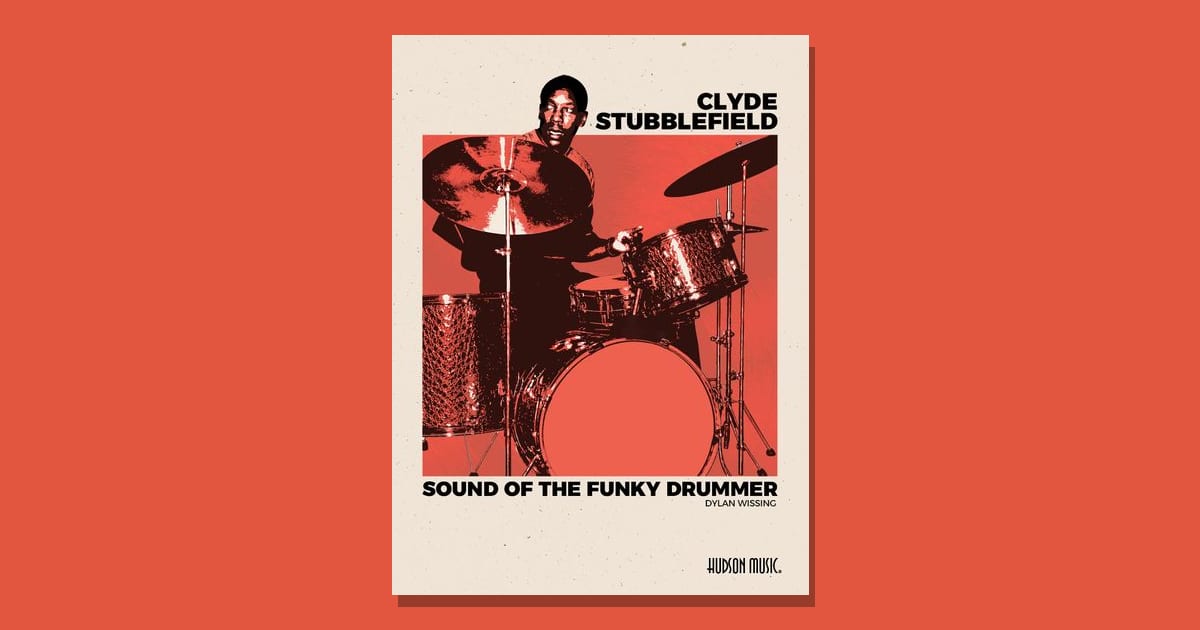
Clyde Stubblefield book | The Funky Drummer
Hudson Music's 364-page Clyde Stubblefield: Sound of the Funky Drummer covers the man, the 1969 session, 20+ grooves and the most sampled break ever.